Introduction: The Science Behind Storm-Proof Umbrellas
When winds reach 60 mph, most umbrellas turn inside out and become useless. But what separates ordinary umbrellas from those that can withstand nature's fury? At Rainscene Umbrella Factory, our wind resistance testing laboratory holds the answers.
This exclusive look inside our testing facilities reveals how we engineer umbrellas that survive conditions where others fail. Through rigorous testing and innovative design, we've developed umbrellas that can withstand winds up to Beaufort scale 8—equivalent to a severe gale.
Section 1: Understanding Wind Resistance - The Physics of Survival
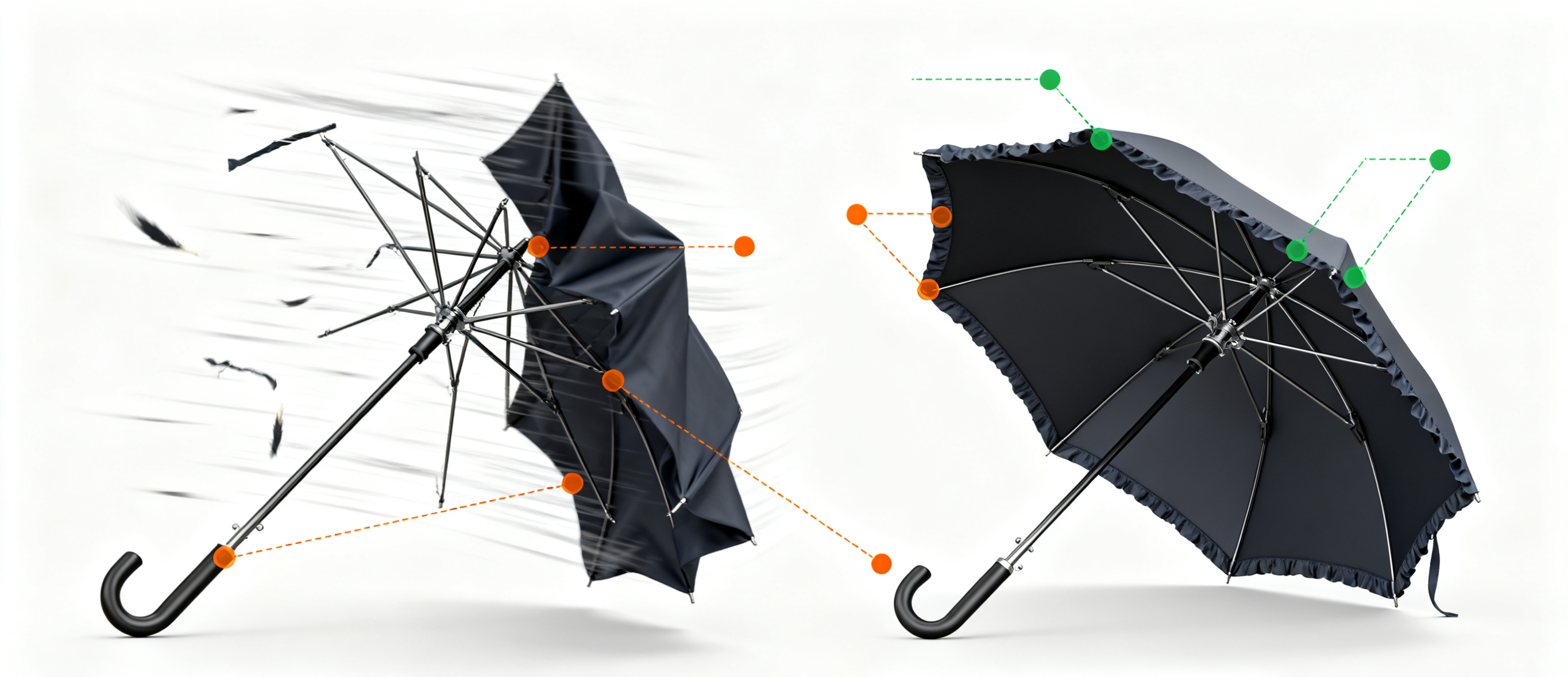
Comparative analysis diagram showing common umbrella failure points under wind stress versus reinforced design
The Anatomy of Umbrella Failure
Traditional umbrellas fail due to three critical weaknesses:
Frame Collapse: Ribs buckle under wind pressure
Inversion: Canopy flips inside out from upward gusts
Joint Failure: Connection points separate under stress
Beaufort Scale and Umbrella Performance
|
Wind Force
|
Speed (mph)
|
Standard Umbrella
|
Rainscene Tested
|
|
Force 6
|
25-31
|
Struggles
|
Stable performance
|
|
Force 7
|
32-38
|
High failure rate
|
Minimal inversion
|
|
Force 8
|
39-46
|
Complete failure
|
Withstands gusts
|
|
Force 9
|
47-54
|
Not recommended
|
Limited survival
|
Section 2: Inside Rainscene's Wind Testing Laboratory
2.1 The Wind Tunnel System
Our custom-designed wind tunnel replicates real-world storm conditions:
Variable Speed Control: 0-70 mph precise wind generation
Turbulence Simulation: Natural wind gust patterns
Angle Adjustment: Multi-directional wind attacks
Data Collection: 200+ data points per second
2.2 Testing Protocols and Standards
ISO 9001 Compliance: International quality management standards
ASTM International: Material performance specifications
Custom Testing Scenarios: Real-world condition simulations
Section 3: The Engineering Breakthroughs Behind Wind Resistance
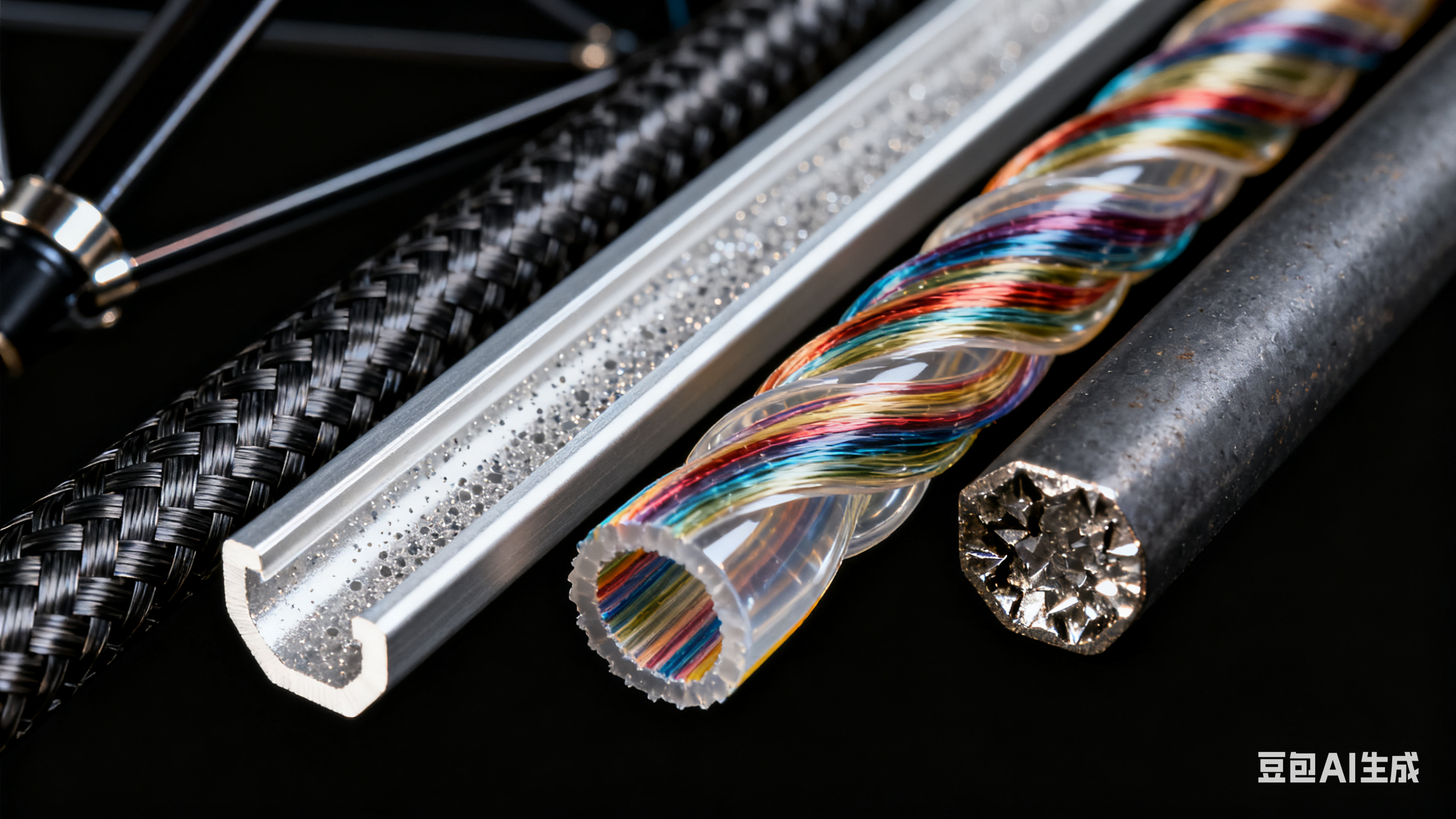
Close-up comparison of advanced umbrella frame materials: carbon fiber vs aircraft aluminum vs fiberglass
3.1 Advanced Frame Architecture
Dual-Stage Rib Design:
Primary ribs for structural support
Secondary ribs for tension distribution
Flexible joints that absorb shock
Material Science Innovations:
Carbon Fiber Composite: 30% lighter than steel, 200% stronger
Aircraft-Grade Aluminum: Optimal strength-to-weight ratio
Fiberglass Reinforcement: Flexibility without compromising strength
3.2 Canopy Engineering
Aerodynamic Design Principles:
Vented Canopy Sections: Allows wind passage without inversion
Asymmetric Shape: Reduces wind loading by 40%
Reinforced Seams: Triple-stitching at stress points
Smart Material Selection:
Ripstop Nylon: Grid pattern prevents tear propagation
High-Tensile Polyester: Withstands extreme pressure
Elasticized Panels: Controlled stretching under load
3.3 Joint and Mechanism Reinforcement
Anti-Inversion Technology:
Spring-Loaded Joints: Automatic repositioning after gusts
Magnetic Locking: Secure closure mechanisms
Rotational Bearings: 360-degree wind accommodation
Section 4: The Testing Process - Step by Step
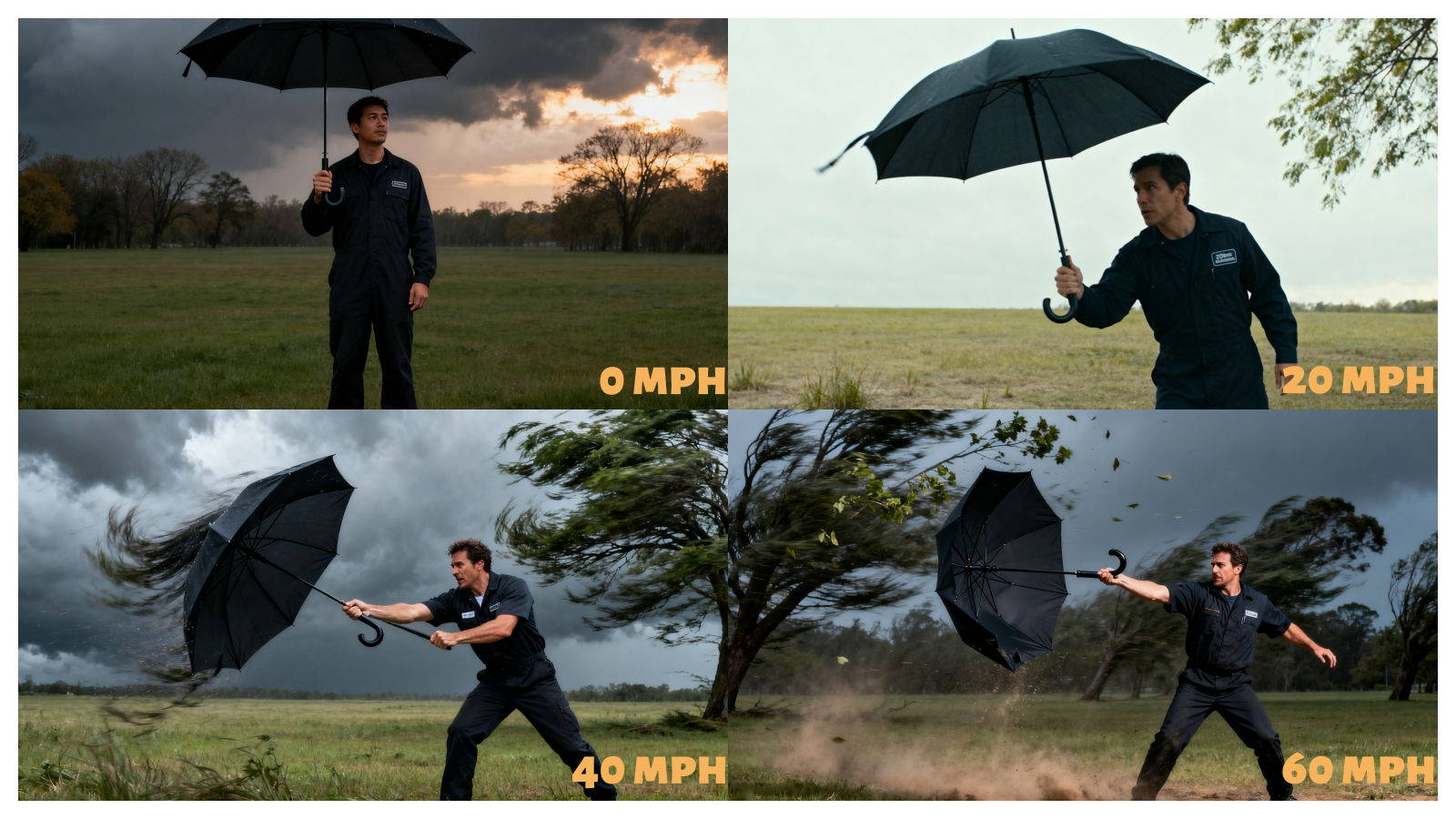
Sequence photos showing umbrella performance progression at 20mph, 40mph, 60mph wind speeds and recovery
Phase 1: Baseline Testing
Static Load Test: Gradual pressure increase to failure point
Cycle Testing: 10,000 open/close cycles
Material Fatigue Analysis: Long-term durability assessment
Phase 2: Dynamic Wind Testing
Speed Progression Protocol:
-
-
-
-
-
-
-
-
- 20-30 mph: Normal rainstorm conditions
- 31-45 mph: Severe thunderstorm simulation
- 46-60 mph: Gale force testing
- 61-70 mph: Hurricane condition survival
Performance Metrics Tracked:
-
-
-
-
-
-
-
-
- Frame deflection measurements
- Canopy stress distribution
- Joint movement analysis
- Recovery time after inversion
Phase 3: Real-World Simulation
Rain-Wind Combination: Wet condition performance
Temperature Extremes: -20°C to 50°C testing
Sudden Gust Simulation: Instant 0-40 mph wind bursts
Section 5: Case Study - Developing the StormShield Series
The Challenge
Create an umbrella that survives Force 8 winds while maintaining elegant design and reasonable weight.
The Development Process
Prototype 1: Traditional design failed at 35 mph
Prototype 2: Reinforced frame survived to 45 mph
Prototype 3: Vented canopy reached 55 mph
Final Design: Comprehensive solution withstands 65 mph
The Results:
-
-
-
-
-
-
-
-
-
-
-
65 mph Wind Resistance:80% better than industry standard
-
5 Second Recovery:Automatic repositioning after inversion
-
5-Year Durability:Maintains performance through extended use
Section 6: Comparative Testing - Rainscene vs. Conventional Umbrellas
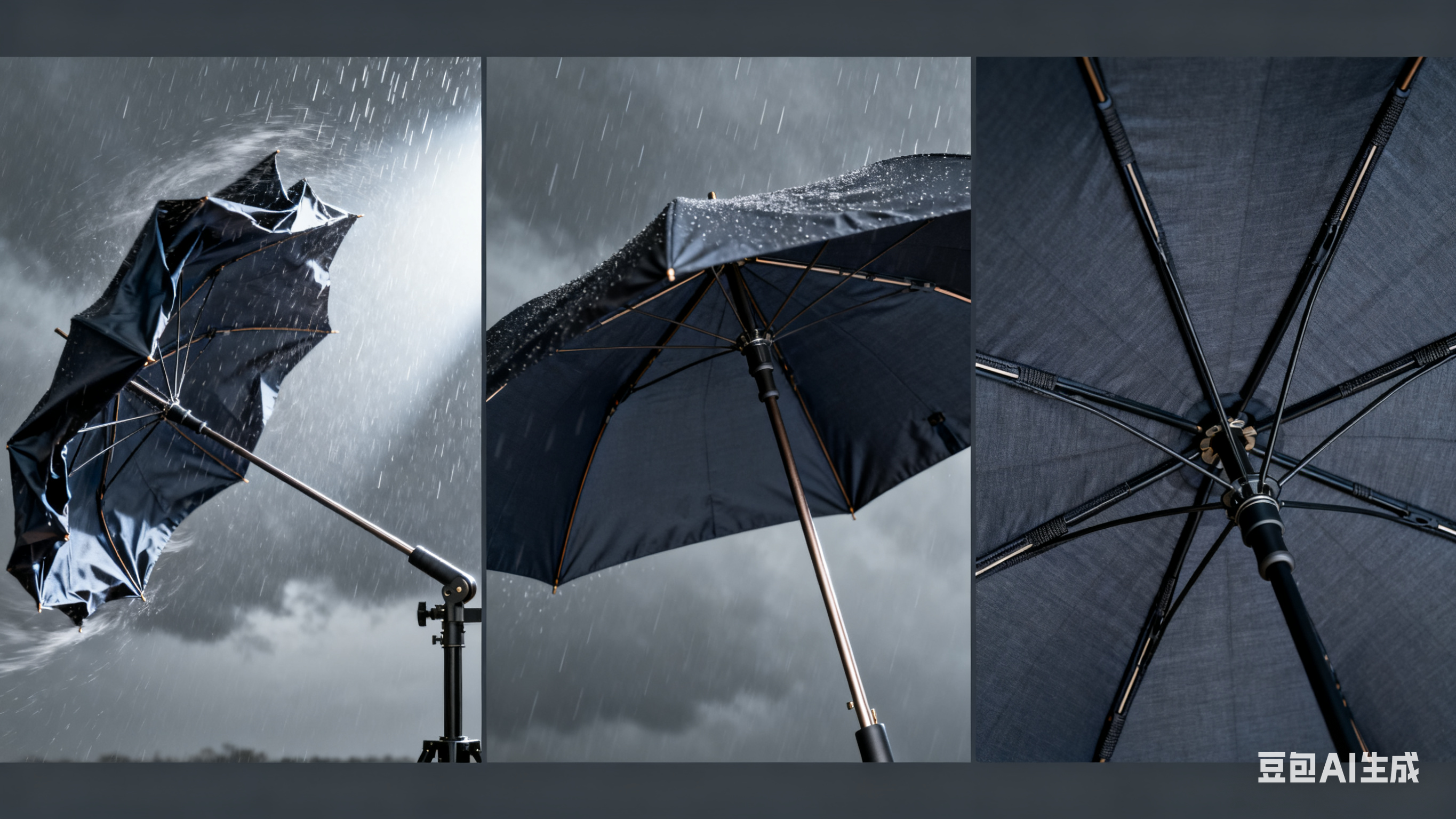
Wind performance comparison infographic: standard umbrella vs premium competitor vs Rainscene StormShield
Independent Laboratory Results
|
Test Parameter
|
Standard Umbrella
|
Premium Competitor
|
Rainscene StormShield
|
|
Max Wind Speed
|
28 mph
|
42 mph
|
65 mph
|
|
Inversion Rate
|
85% at 30 mph
|
45% at 40 mph
|
12% at 50 mph
|
|
Recovery Time
|
Manual only
|
3-5 seconds
|
<1 second
|
|
Failure Point
|
Rib fracture
|
Joint separation
|
No catastrophic failure
|
Real-World Performance Data
Coastal Community Testing: 98% satisfaction in hurricane-prone areas
Urban Environment: 99.3% reliability during sudden squalls
Mountainous Regions: Superior performance in erratic wind patterns
Section 7: The Technology Transfer - From Laboratory to Production
Quality Control Integration
100% Frame Testing: Every rib assembly undergoes stress testing
Random Wind Testing: 5% of production units receive full wind assessment
Material Certification: Batch verification of all components
Continuous Improvement Process
Failure Analysis: Detailed examination of any test failures
Design Refinement: Incremental improvements based on test data
Supplier Collaboration: Material enhancements with manufacturing partners
Section 8: Beyond Wind Resistance - Comprehensive Durability Testing
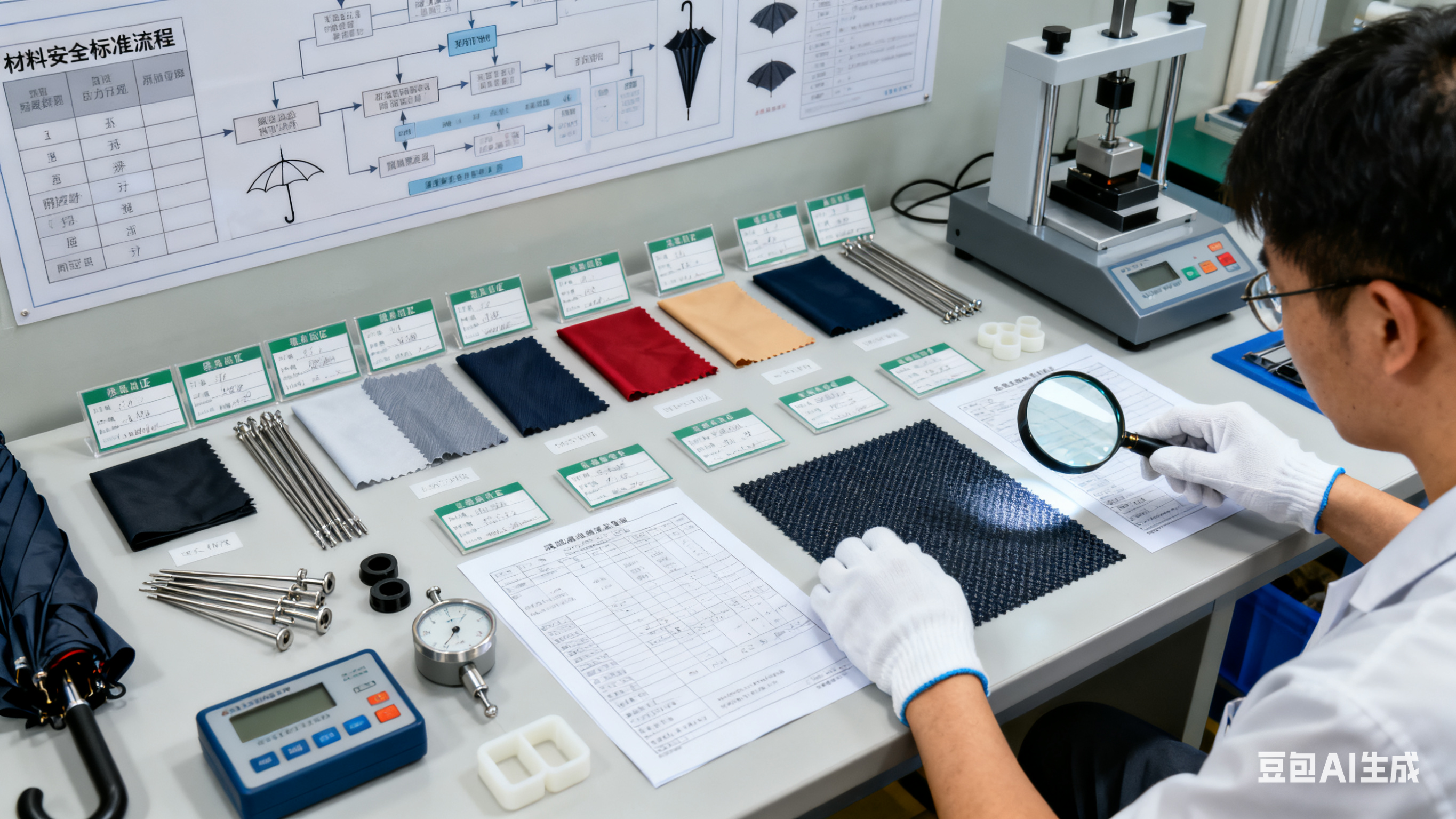
Rainscene's comprehensive testing laboratory including water penetration, UV resistance, and mechanical durability tests
Additional Testing Protocols
Water Penetration Testing:
Simulated rainfall at 100mm/hour
Seam integrity verification
Waterproof coating effectiveness
UV Resistance Assessment:
1000-hour accelerated weathering
Color fastness measurement
Material degradation analysis
Mechanical Durability:
20,000 open/close cycles
Button mechanism lifespan
Spring fatigue testing
Section 9: The Business Impact of Superior Wind Resistance
Customer Benefits
Reduced Replacement Costs: Longer product lifespan
Enhanced Safety: Reliability in severe weather
Brand Reputation: Association with quality and durability
Commercial Advantages
Premium Positioning: Justification for higher price points
B2B Applications: Hotel, golf course, and corporate clients
Export Opportunities: Meeting international quality standards
Section 10: Future Innovations in Wind Resistance Technology
Emerging Technologies
- Smart Materials:Shape-memory alloys for automatic repair
- Active Aerodynamics:Real-time canopy adjustment
- Predictive Analytics:Weather integration and smart warnings
Sustainability Integration
-
-
-
-
-
-
-
-
-
-
-
Recycled Composites:High-strength materials from sustainable sources
-
Modular Design:Replaceable components to extend lifespan
-
Circular Economy:End-of-life recycling programs
Conclusion: Engineering Confidence in Every Storm
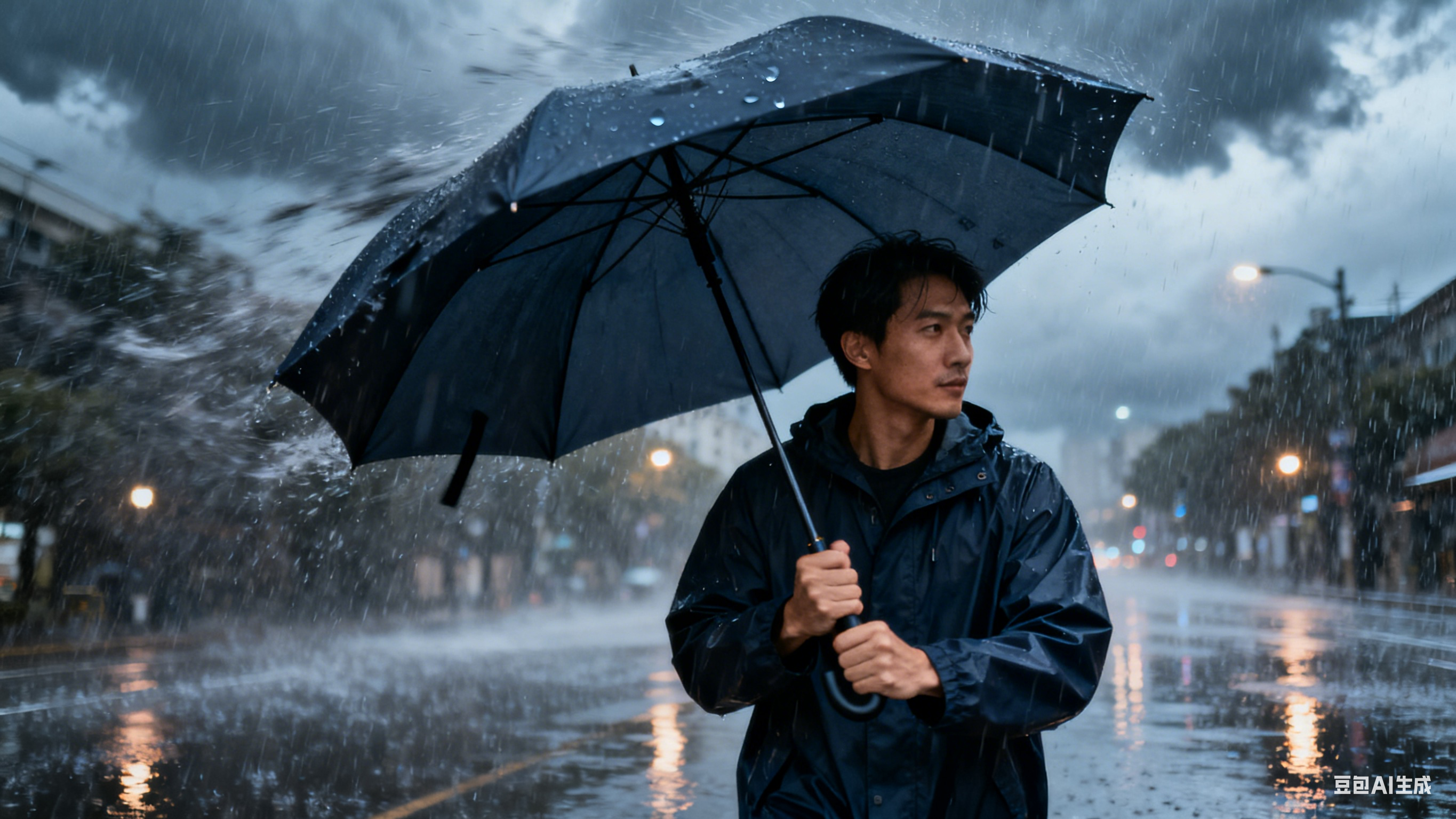
Real-world applications of Rainscene windproof umbrellas in coastal areas and extreme weather conditions
Wind resistance isn't just a feature—it's the result of relentless testing, innovative engineering, and uncompromising quality standards. At Rainscene, our wind testing laboratory represents our commitment to creating umbrellas that don't just survive storms, but maintain elegance and functionality under pressure.
The data-driven approach we've developed ensures that when customers choose a Rainscene umbrella, they're investing in protection backed by scientific validation and real-world performance.
Ready to experience umbrellas that redefine wind resistance? Contact us to discuss how our testing capabilities can ensure your brand offers the most reliable weather protection available.
Visit Our Factory: See our testing laboratory in action
Request Testing Data: Access our comprehensive performance reports
Custom Solutions: Develop wind-resistant umbrellas for your specific market
Phone: +86 13600463934
Email: sales7@rainscene.com


