Introduction: Beyond Rain Protection - The Science of Sun Umbrellas
When most people think of umbrellas, they imagine rain protection. However, Google search data reveals a growing trend: searches for "sun protection umbrella" have increased by 200% in the past two years, while "UPF umbrella" queries have grown by 150% annually. The modern umbrella has evolved into a sophisticated sun protection tool, but confusion remains about what exactly makes an umbrella effective against sun exposure.
This comprehensive guide will clarify the differences between sun protection and UV protection, explain UPF rating systems, and help you choose the right sun protection umbrella for your needs.
Section 1: Understanding the Basics - Sun Protection vs. UV Protection
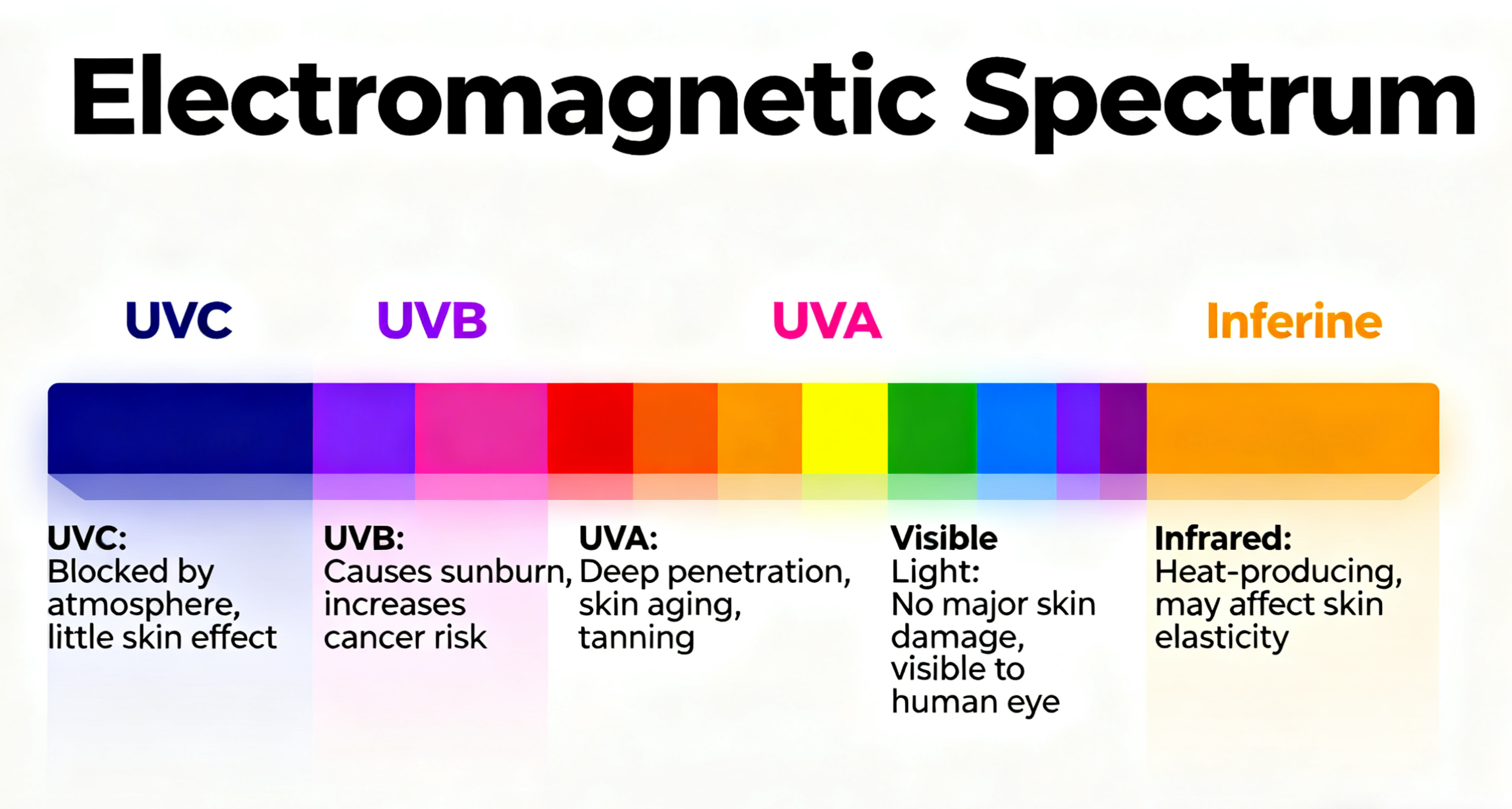
Electromagnetic spectrum chart showing UVA, UVB, UVC, visible light and infrared radiation regions
What is Sun Protection?
Sun protection refers to blocking the entire spectrum of solar radiation, including:
- Visible light(400-700 nm)
- Infrared radiation(700 nm - 1 mm)
- Ultraviolet radiation(100-400 nm)
Traditional sun protection focuses on reducing heat and glare while providing shade. This is what most people experience as "sun protection" - the comforting shade that makes you feel cooler on a sunny day.
What is UV Protection?
UV protection specifically targets ultraviolet radiation, which is invisible to the human eye but causes significant damage. UV radiation is categorized into three types:
UVA (315-400 nm):
- Penetrates deep into the skin
- Causes premature aging and wrinkles
- Contributes to skin cancer risk
- Passes through glass and clouds
UVB (280-315 nm):
- Affects the skin's surface
- Causes sunburn and reddening
- Contributes to skin cancer risk
- Partially blocked by glass
UVC (100-280 nm):
- Most dangerous but completely absorbed by the ozone layer
- Not a concern for everyday sun exposure
Key Differences Summary
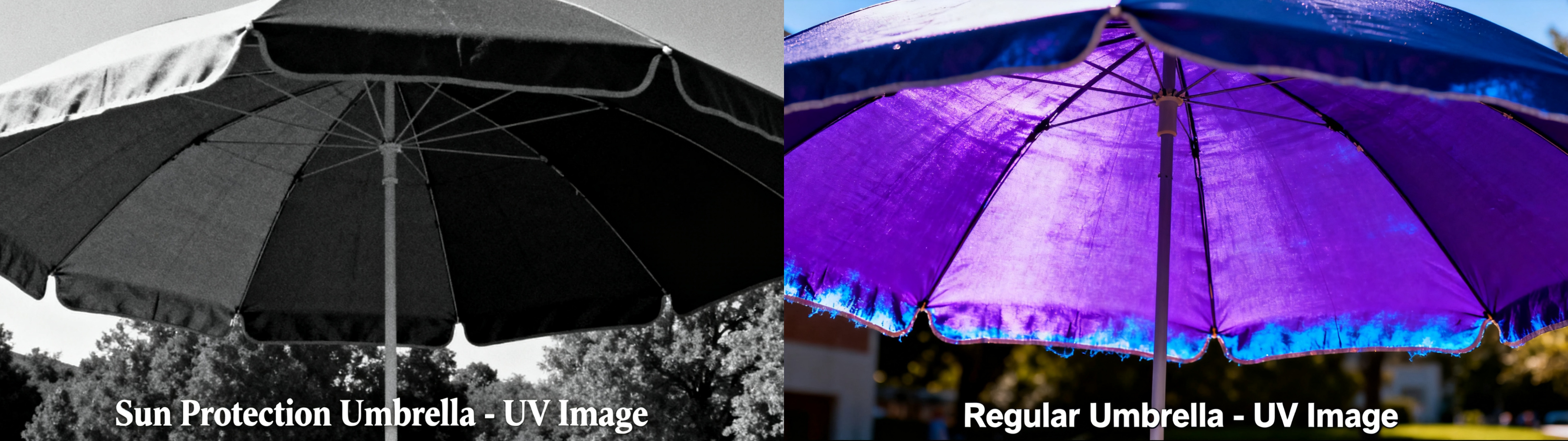
Thermal and UV camera comparison showing difference between regular and sun protection umbrellas
|
Aspect
|
Sun Protection
|
UV Protection
|
|
Scope
|
Broad spectrum protection
|
Specific to UV radiation
|
|
Primary Benefit
|
Reduces heat and glare
|
Prevents skin damage
|
|
Visibility
|
Visible effects (shade)
|
Invisible protection
|
|
Measurement
|
Subjective comfort
|
Measured by UPF rating
|
|
Health Impact
|
Comfort-oriented
|
Health-oriented
|
Section 2: UPF Rating System Demystified
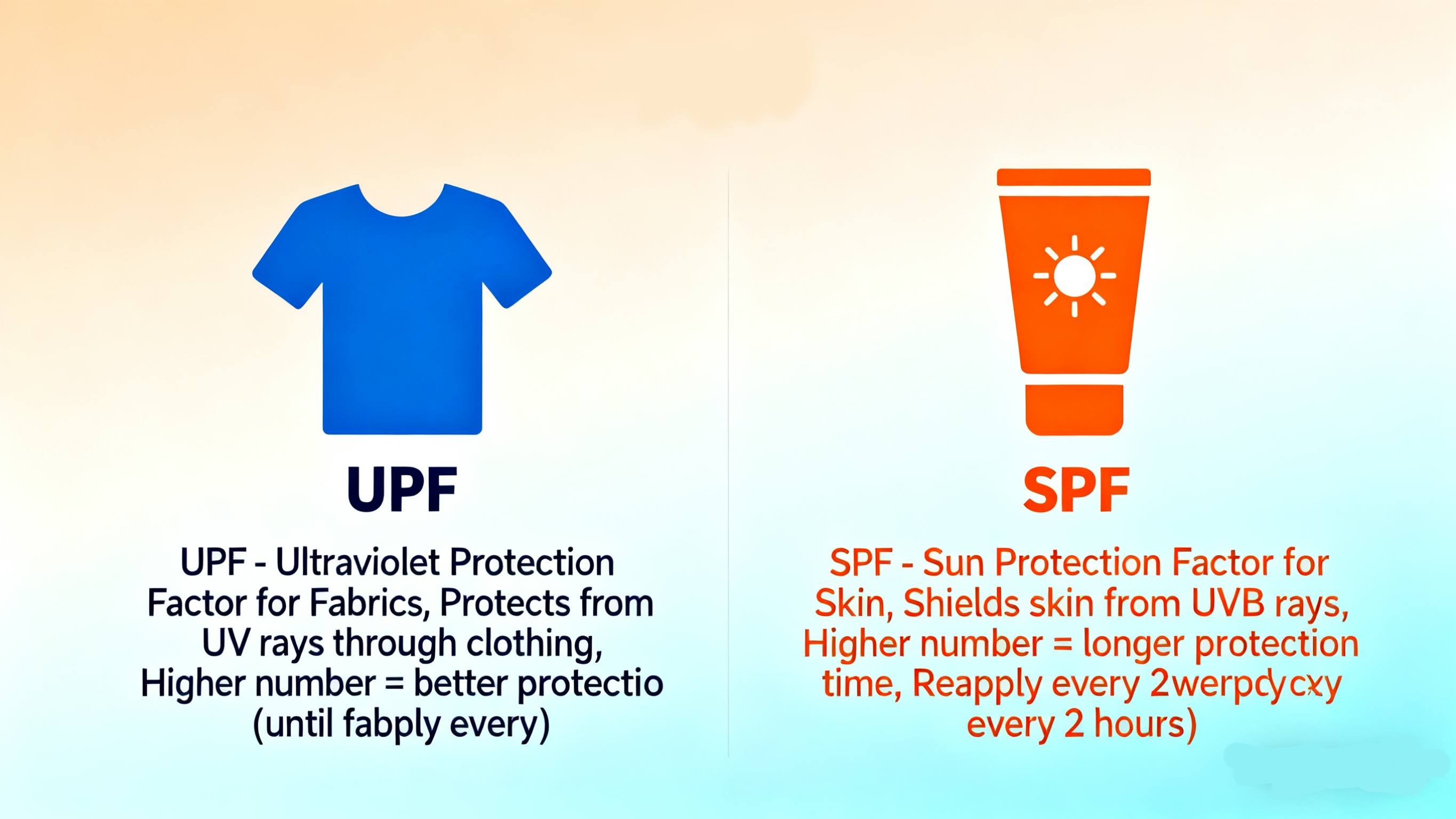
Colorful infographic explaining UPF rating scale and protection levels
What is UPF?
UPF (Ultraviolet Protection Factor) measures how effectively fabric blocks ultraviolet radiation. It's the sun protection equivalent of SPF for sunscreen.
UPF Rating Scale Explained
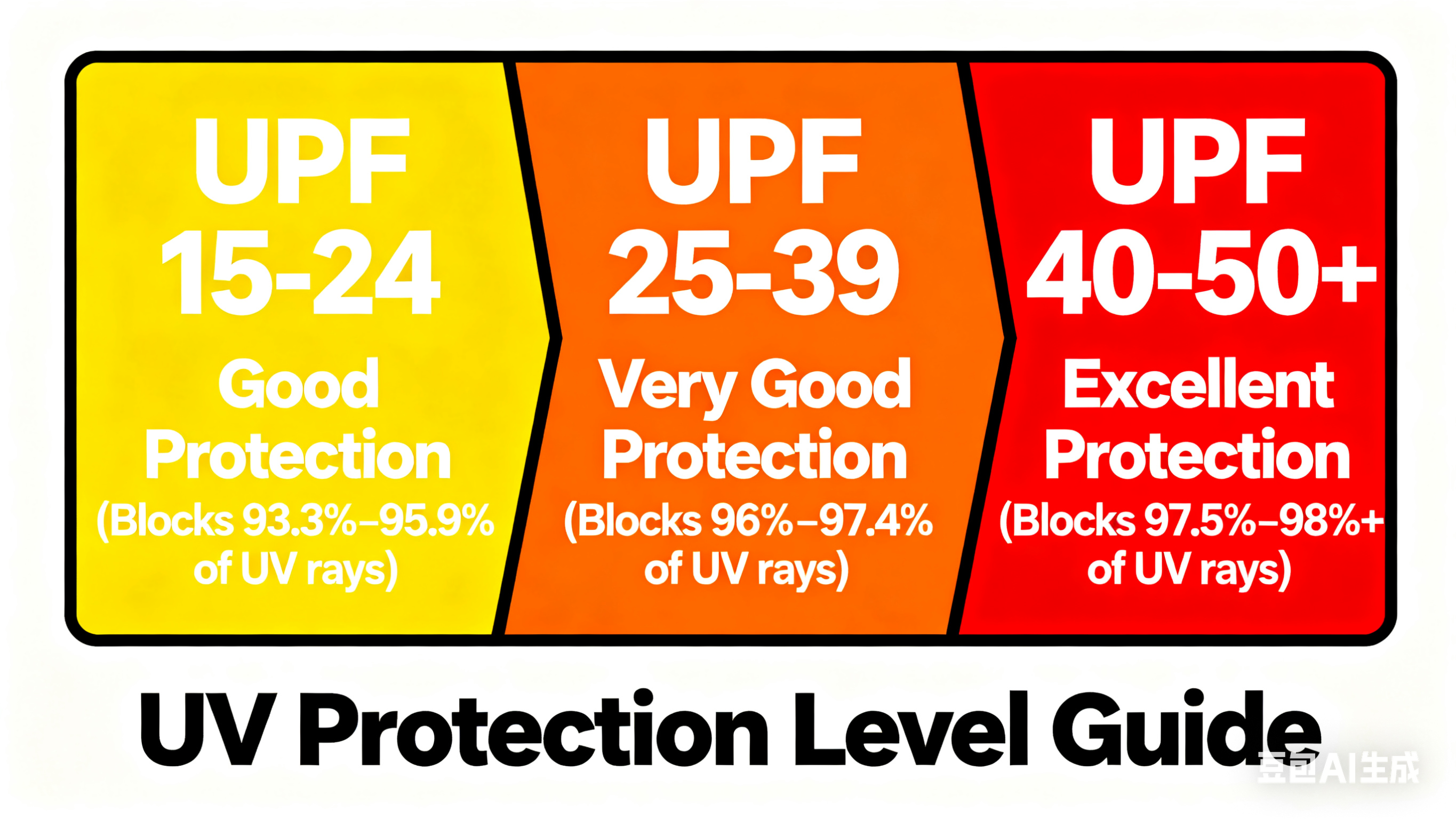
Colorful infographic explaining UPF rating scale and protection levels
|
UPF Rating
|
Protection Category
|
% UV Radiation Blocked
|
|
UPF 15-24
|
Good
|
93.3-95.9%
|
|
UPF 25-39
|
Very Good
|
96-97.4%
|
|
UPF 40-50+
|
Excellent
|
97.5-98+%
|
How UPF is Measured
UPF testing involves:
- Spectrophotometric analysis of fabric samples
- Measuring transmission of UVA and UVB radiation
- Calculating the effective UV blockage
- Accounting for fabric stretch, wetness, and wear
UPF vs. SPF: Key Differences
|
Factor
|
UPF (Fabric)
|
SPF (Sunscreen)
|
|
Application
|
Clothing/umbrellas
|
Skin
|
|
Duration
|
Lasts fabric lifetime
|
Requires reapplication
|
|
Coverage
|
Consistent protection
|
Application-dependent
|
|
Water Resistance
|
Maintains protection when wet
|
Washes off when wet
|
Section 3: Sun Protection Umbrella Technology
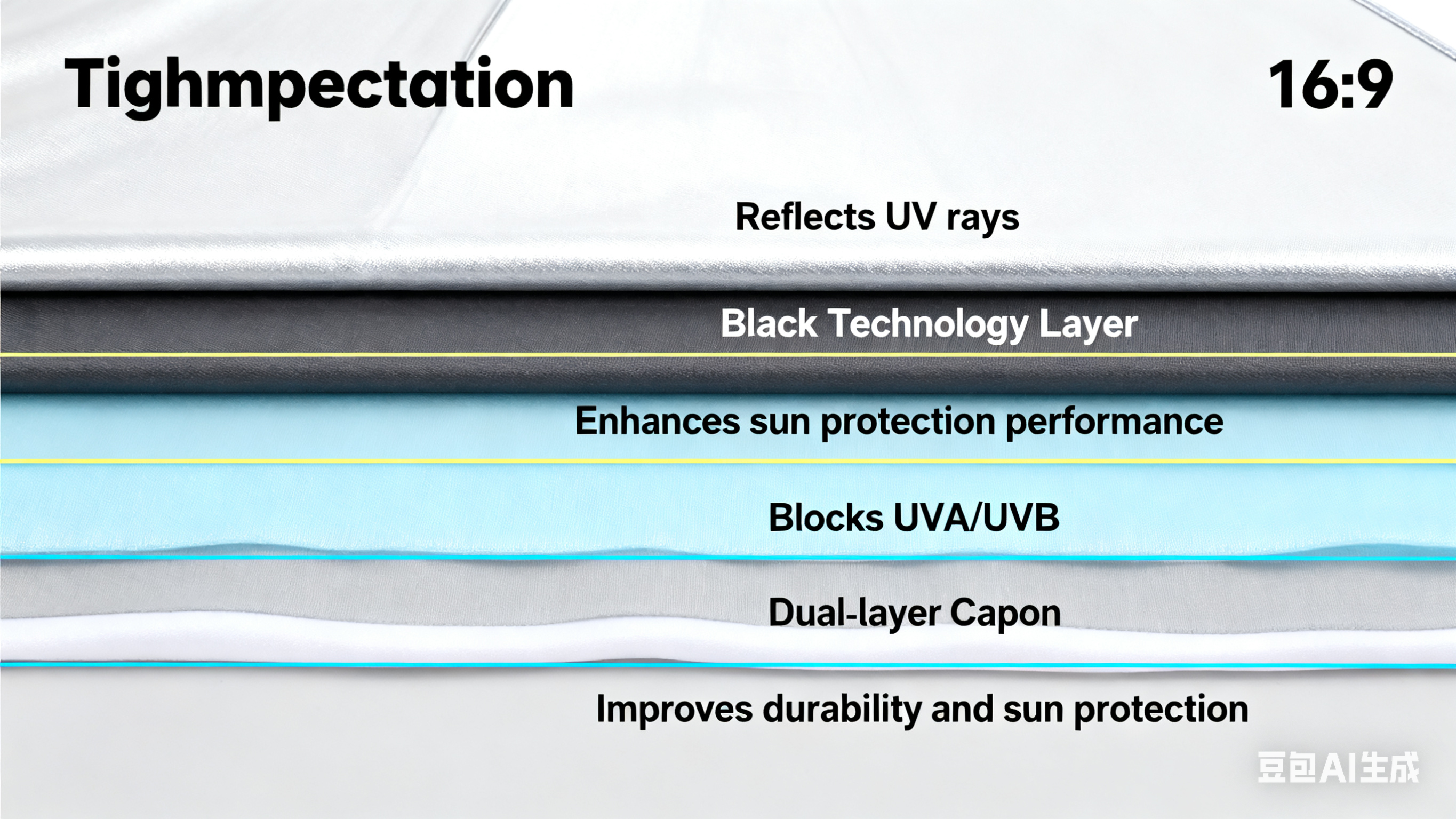 Technical breakdown diagram showing different technology layers in sun protection umbrellas
Advanced Fabric Technologies
Modern sun protection umbrellas use multiple technologies:
- Silver-Coated Fabric
- Reflects UV radiation away from the body
- Provides UPF 50+ protection
- Keeps underside cooler by reflecting heat
- Black-Out Technology
- Multiple layers of UV-absorbing material
- Complete light blockage
- Maximum cooling effect
- Nano-Titanium Coating
- Microscopic titanium particles scatter UV rays
- Lightweight and durable
- Maintains breathability
- Double-Layer Canopy
- Outer layer reflects UV radiation
- Inner layer absorbs residual radiation
- Air gap provides insulation
Umbrella Design Features for Sun Protection
Canopy Size and Shape:
- Large canopies(48-55 inches): Maximum coverage
- Vented designs: Better airflow while maintaining protection
- Angled frames: Adjustable sun blocking angles
Frame Materials:
- Fiberglass: Flexible and UV-resistant
- Carbon fiber: Lightweight and durable
- Aluminum: Lightweight with good strength
Additional Features:
- UV protection indicators: Color-changing fabric that shows UV intensity
- Cooling technology: Phase-change materials that absorb heat
- Wind resistance: Automatic venting systems for stability
Section 4: Choosing the Right Sun Protection Umbrella
By Usage Scenario
Beach and Outdoor Activities:
- UPF 50+ rating essential
- Large canopy (50+ inches)
- Wind-resistant frame
- Sand anchor capability
Urban and Daily Use:
- UPF 30-50 rating
- Compact or folding design
- Lightweight materials
- Style considerations
Sports and Activities:
- Hands-free options available
- Secure grip handles
- Moisture-wicking materials
- Maximum mobility design
Technical Specifications to Consider
- UPF Rating:
- Minimum UPF 30 for adequate protection
- UPF 50+ for extended outdoor exposure
- Verified by independent testing
- Canopy Material:
- Silver-coated for maximum reflection
- Dark colors for absorption
- Tight weave density (150+ threads/inch)
- Size and Weight:
- Full-size: 48-55 inches for maximum coverage
- Compact: 36-42 inches for portability
- Weight: 1-2 pounds for comfort
- Additional Features:
- Automatic open/close mechanism
- Ergonomic handles
- Carrying case
- Warranty coverage
Section 5: Common Myths and Facts About Sun Protection
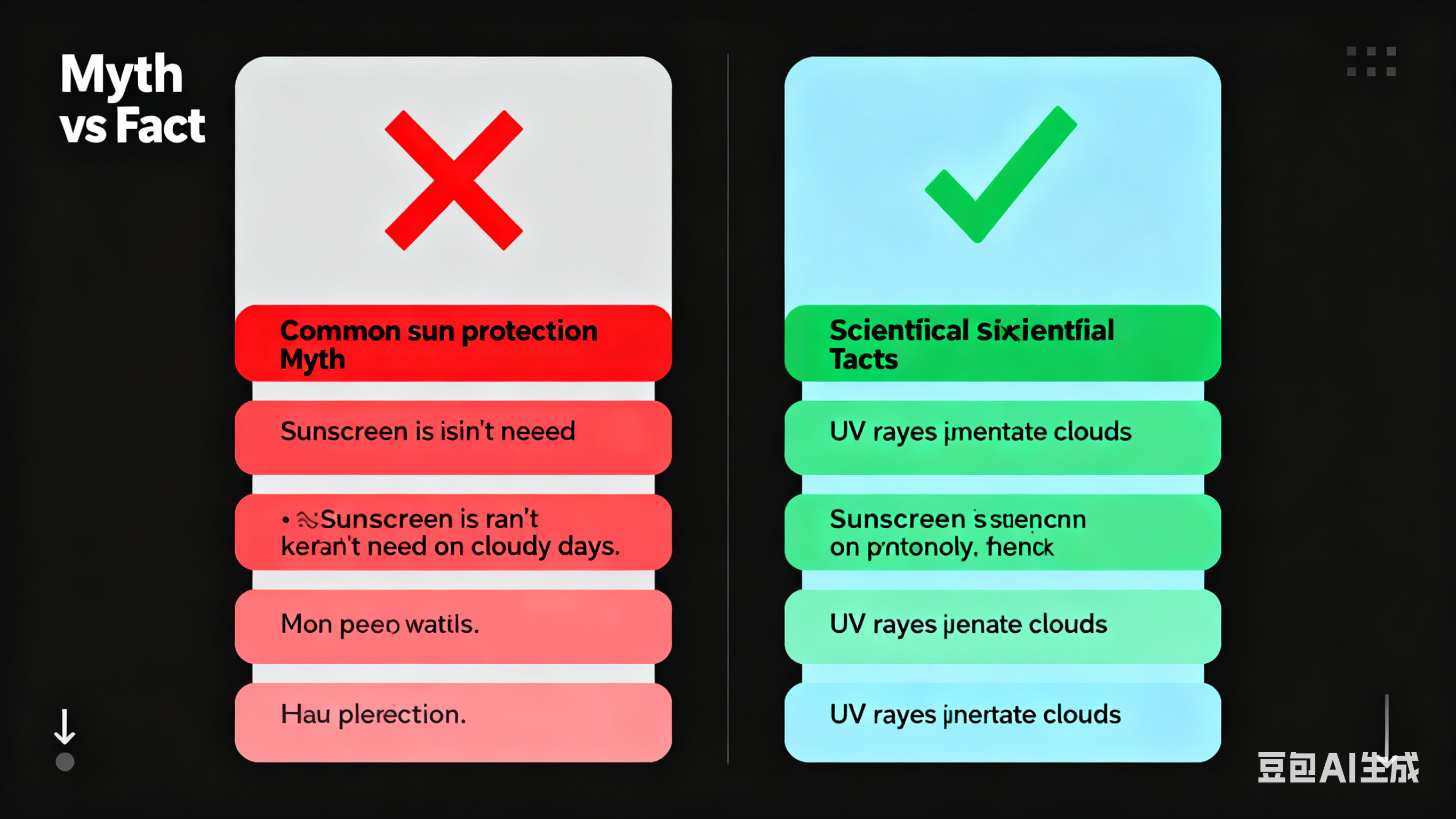
Myths vs facts infographic about sun protection and UV radiation
Myth 1: "All Umbrellas Provide Equal Sun Protection"
Fact: Regular umbrellas may only provide UPF 5-15 protection. Specialized sun protection umbrellas with proper coatings offer UPF 50+ protection.
Myth 2: "Darker Colors Always Provide Better Protection"
Fact: While dark colors absorb more visible light, specialized light-colored coatings can reflect UV radiation more effectively.
Myth 3: "You Don't Need Sunscreen Under an Umbrella"
Fact: Umbrellas protect from direct UV exposure but not reflected UV from sand, water, or surfaces. Combination protection is recommended.
Myth 4: "Sun Protection Umbrellas are Only for Summer"
Fact: UV radiation occurs year-round. Winter sun combined with snow reflection can cause significant UV exposure.
Section 6: Maintenance and Care for Sun Protection Umbrellas
Preserving UPF Protection
Cleaning Guidelines:
- Use mild soap and cool water
- Avoid harsh chemicals and bleach
- Gently hand wash when needed
- Air dry completely before storage
Storage Recommendations:
- Store in protective cover
- Keep in cool, dry place
- Avoid prolonged compression
- Periodically air out
Maintenance Tips:
- Check for fabric wear regularly
- Reapply UV protective sprays if recommended
- Avoid folding when wet
- Handle mechanisms gently
When to Replace Your Sun Umbrella
- Visible fabric thinning or wear
- Fading of protective coatings
- Reduced tension in canopy
- When UPF protection cannot be verified
Conclusion: Making Informed Sun Protection Choices
Understanding the difference between sun protection and UV protection is crucial for making informed decisions about your sun safety. While all UV protection provides sun protection, not all sun protection offers adequate UV protection.
When choosing a sun protection umbrella, consider:
- UPF rating(minimum UPF 30, ideally UPF 50+)
- Intended use(beach, urban, sports)
- Technical features(coatings, materials, design)
- Quality and durability(frame construction, fabric quality)
- Verified testing(independent UPF certification)
Remember that umbrellas are just one part of a comprehensive sun protection strategy that should also include sunscreen, protective clothing, and smart sun exposure habits.
Investing in a quality sun protection umbrella isn't just about comfort—it's about protecting your health and preventing long-term skin damage. With the right knowledge and equipment, you can enjoy the outdoors safely while minimizing your risk of sun-related health issues.
Ready to upgrade your sun protection? Explore our collection of UPF 50+ certified umbrellas designed for maximum protection and comfort. [Purchase Now] or [Contact Us] for personalized recommendations.
 Technical breakdown diagram showing different technology layers in sun protection umbrellas


